

Filter and sort








What is the TAB collection?
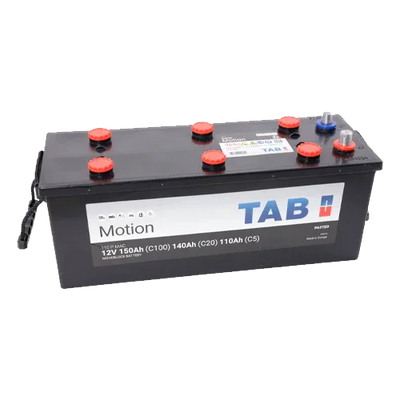
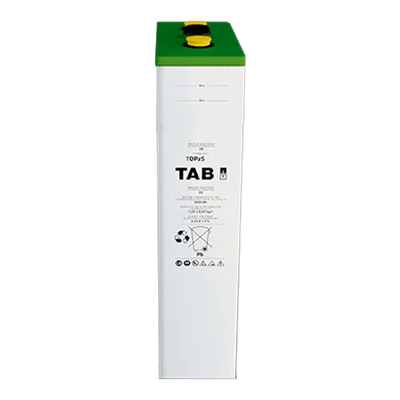
The TAB collection brings together complete storage solutions for solar energy: stationary OPzS/TOPzS 2 V cells for custom banks, deep-cycle AGM monoblock batteries (12/24/48 V), and modular lithium 51.2 V e.storage CLEVER systems. This range covers everything from small caravans to residential and professional installations with high demand and daily discharge.
Advantages and limitations
- OPzS/TOPzS: high robustness, deep cycles, and easy replacement per cell (2 V).
- AGM monoblock: maintenance-free, low ventilation, and good performance under moderate discharge.
- Lithium 51.2 V e.storage CLEVER: modularity (≈5.12–30.72 kWh), high efficiency, and integrated BMS.
- Limitations: OPzS require ventilation and maintenance; AGM has a shorter lifespan than OPzS under intensive use; lithium requires a compatible inverter/charger.
Applications
- Off-grid homes with OPzS/TOPzS banks and inverters with charger.
- Residential/business backup with 51.2 V lithium and MPPT controllers.
- Mobility and marine applications with AGM monoblock and suitable battery chargers.
How to choose your TAB battery
- Usable energy (kWh): daily consumption × days of autonomy ÷ recommended DoD (e.g., 50% OPzS, 80–90% lithium).
- System voltage: 12/24/48 V (AGM/lithium) or 2 V strings in OPzS/TOPzS for 24/48 V.
- Discharge power: check peaks and permissible current; for lithium, BMS/inverter power.
- Environment and maintenance: OPzS with ventilated room; AGM/lithium for confined spaces.
- Compatibility: adjust charging curves in chargers and inverters.
Indicative specifications
| OPzS/TOPzS 2 V | ≈ 350–2260 Ah; 12/24/48 V banks by combining cells |
| AGM monoblock 12 V | ≈ 45–250 Ah; 24/48 V options in dedicated series |
| Lithium e.storage CLEVER | 51.2 V; ≈5.12 kWh modules stackable up to ≈30.72 kWh |
| Type of use | Off-grid, self-consumption with battery, UPS/backup |
| Maintenance | OPzS with liquid electrolyte; AGM and lithium maintenance-free |
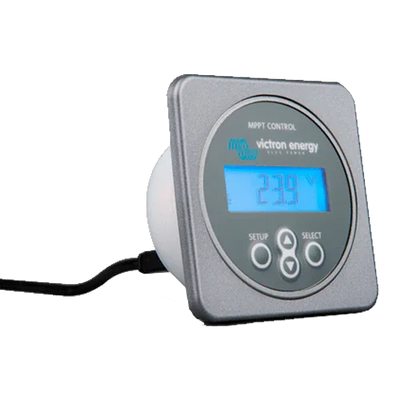
| Accessories | Terminals, bridges, and racks; battery monitors |
Best practices
- Calculate capacity at C10/C20 according to discharge profile; avoid deep discharges (DoD controlled).
- Use appropriate DC protections and cable with correct cross-section.
- For OPzS: check electrolyte level, perform periodic equalizations, and maintain controlled temperature.
- For lithium: ensure BMS–inverter communication and firmware updates.
Comparisons and related accessories
Explore complementary categories: OPzS Battery, Monoblock Batteries, Lithium Batteries, Battery Chargers, and Battery Monitors. For system integration, visit Inverters with Charger and DC Protections.
With TAB you have a robust range to size custom banks, modernize your installation with 51.2 V lithium, or maintain OPzS/TOPzS systems with guarantees of durability and performance in photovoltaics.


