

Jinko
Filter and sort

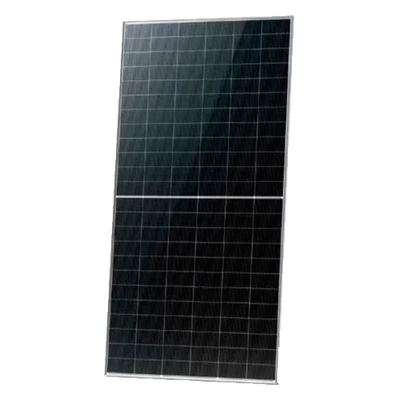
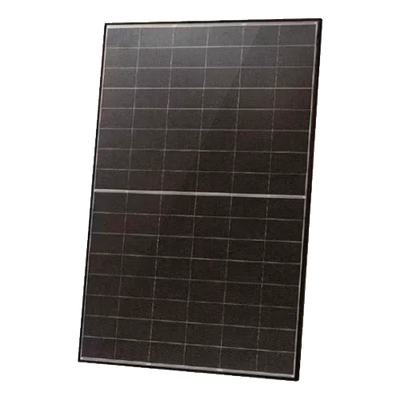

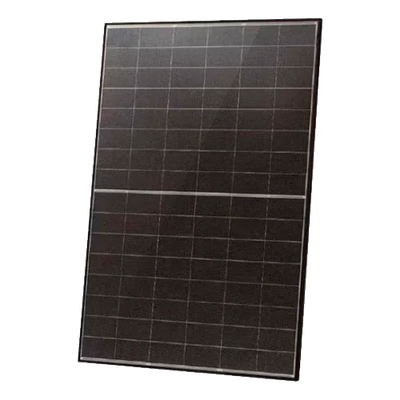

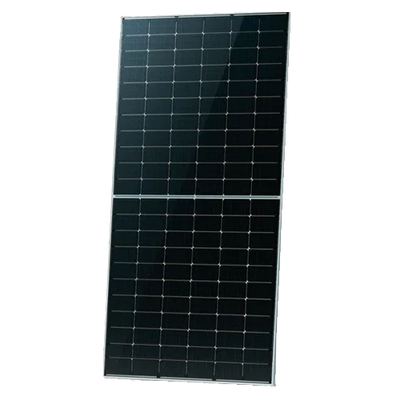

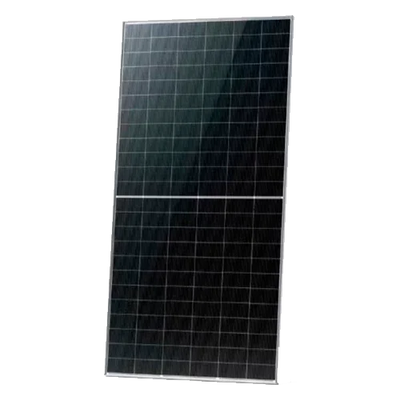

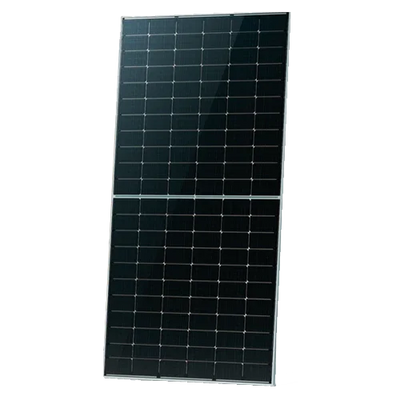

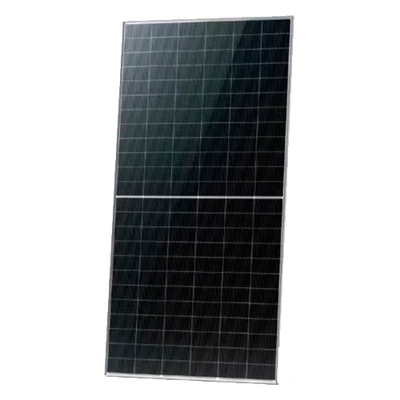

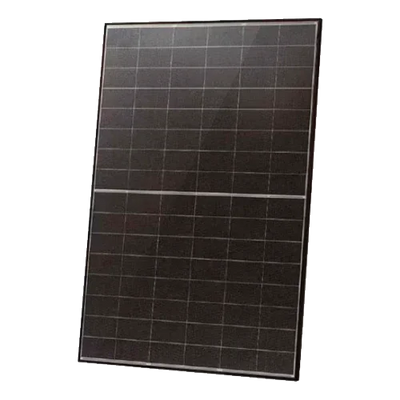
What is the Jinko collection and what does it contribute to your installation?
The Jinko collection brings together high-efficiency photovoltaic modules aimed at residential, commercial, and industrial installations. It includes state-of-the-art monofacial panels and N-Type bifacial versions that utilize rear-side irradiation to increase annual energy yield. With 96/132/144 cell formats and robust frames, Jinko is designed to maximize production per m², simplify string design, and ensure a long service life with recognized manufacturer warranties.
Advantages and limitations
- High power density: typical power ratings in the range of ~460–620 W depending on the series.
- N-Type and bifacial technology (in specific models) for higher performance and lower degradation.
- Versatility: sizes of 108/132/144 cells that adapt to different roofs and structures.
- Efficient logistics: sold by unit, packs of 10, and pallets to optimize cost per W.
- Limitations: high-current modules require compatible inverters and strings; always check Voc, Isc, and the MPPT window of the inverter.
Applications
- Residential self-consumption on pitched roofs with monocrystalline panels for their power/size balance.
- Commercial and industrial with multiple MPPT and long strings on ground or flat roof.
- Projects with high albedo where bifacial panels provide additional gain.
- Bulk purchases through packs/pallets to reduce costs and lead times.
How to choose your Jinko panel
- Power and size: more W per panel reduces the number of units and structure; check geometric fit on the roof.
- Electrical sizing: calculate the number of modules per string with Voc at minimum temperature and maximum Isc; respect inverter and DC protection limits.
- Inverter MPPT: confirm voltage and current range per input; consider High Current inverter models when necessary.
- Mono vs. bifacial: bifacial performs better on elevated structures, light gravel, or reflective ground; on conventional roofs, monofacial simplifies installation.
- Compatibility and shading: add optimizers if there are shadows or mixed orientations.
Indicative specifications
| Nominal power | ≈ 460–620 W (depending on model and cells) |
| Cell type | Mono PERC / N-Type (bifacial models) |
| Format | 96 / 132 / 144 cells |
| Module efficiency | ≈ 20–23 % |
| Options | Monofacial or bifacial; sold by unit, pack of 10, and pallet |
| Compatibility | 1F/3F inverters with wide MPPT windows and high current input when applicable |
Best practices
- Coordinate protections in direct current (isolation, fuses/fuse holders, Type II SPD) and in alternating current.
- Use coplanar structures or for ground/flat roof with certified anchors.
- Plan connectors, bending radii, and tightening torques; keep glass clean to minimize losses.
- For bifacial modules, increase ground clearance and choose a high-albedo surface to maximize rear gain.
Related collections
With Jinko you get reliable, high-efficiency modules ready for demanding projects, with N-Type bifacial options and versatile formats that enable a safe, powerful, and sustainable design.
Our Brands


