

Filter and sort












What is Dyness and what does this brand offer?
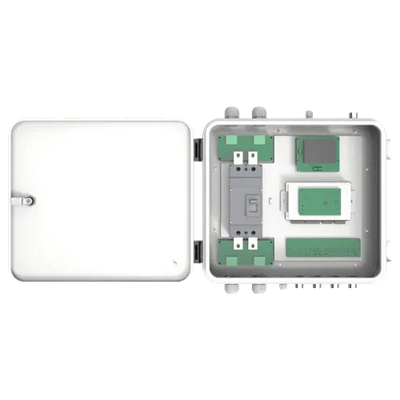
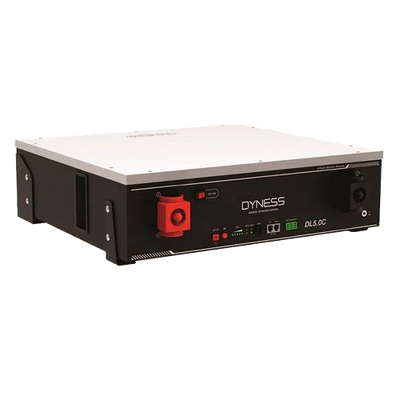
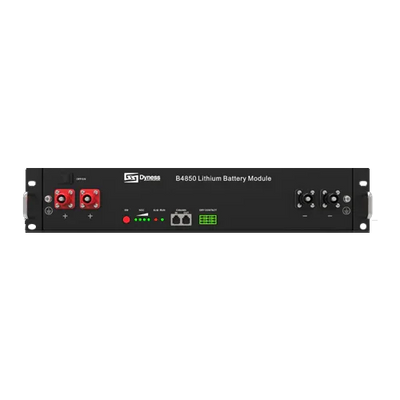
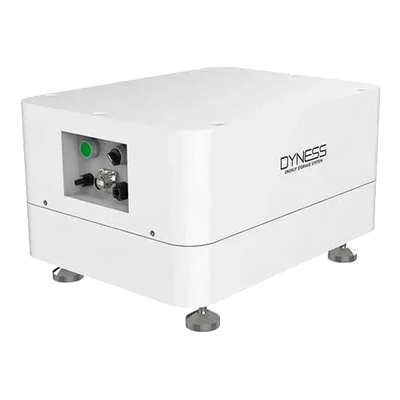
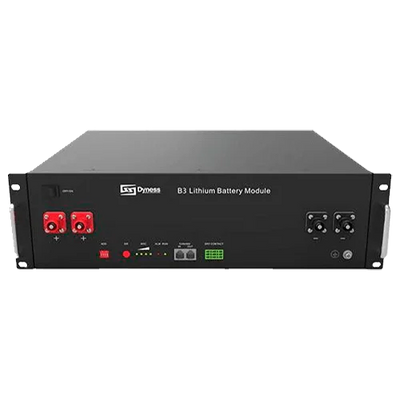
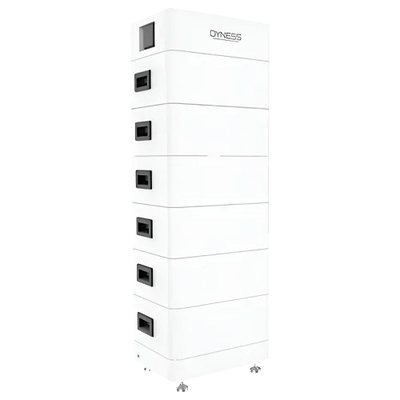
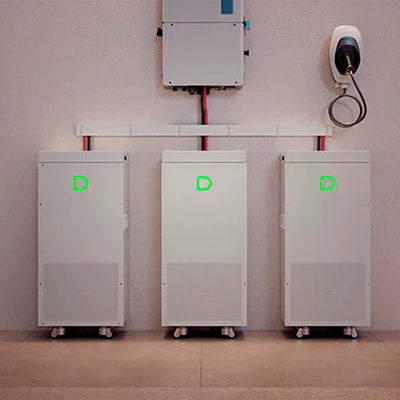
Dyness is a manufacturer of LiFePO4 lithium batteries and associated components for self-consumption and backup systems. Its catalog combines stackable 48 V (LV) modules —B4850, B3, DL5.0C, and PowerBrick— with high voltage (HV) towers —Tower T7, T10, T14, T17, and T21 series—, as well as accessories such as BMS/BDU and combiner boxes for grouping HV clusters. The entire ecosystem focuses on safety, scalability, and CAN/RS485 communication for integration with current hybrid inverters.
Main advantages
- LiFePO4 chemistry: high thermal safety and longer lifespan (>6000 cycles at typical DoD).
- Modular architecture: staged growth in 48 V and HV towers (from 2 to 6 modules).
- Intelligent management: BMS/BDU with balancing, advanced protection, and SOC/SOH reading.
- Standard communication: CAN/RS485 for control and monitoring with compatible inverters.
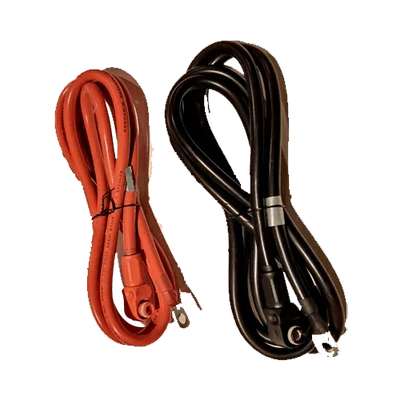
- Complete ecosystem: cables, accessories, and combiner boxes for multi-cluster installations.
Limitations and considerations
- HV towers are designed for compatible HV three-phase inverters; they are not recommended with single-phase inverters.
- Always check the inverter's voltage/current windows and module limits per string.
- Indoor installation is recommended for equipment with IP20/IP54 rating depending on the model.
Applications
- Residential self-consumption 48 V with progressive capacity expansion.
- Three-phase hybrid systems with HV towers for homes with high demand.
- Off-grid systems, marine applications, and small microgrids managed by BMS.
- Backup and peak-shaving in SMEs with compatible inverters.
How to choose between 48 V (LV) and HV
- 48 V (LV): prioritizes simplicity, broad compatibility, and parallel growth. Ideal for single-phase, caravans/boats, and off-grid.
- HV (Tower): prioritizes power in three-phase, lower current, and lighter cabling. Requires HV inverter certified for communication.
If in doubt, start with 48 V in small/medium installations and move to HV when you need higher continuous power in three-phase.
Indicative specifications of the range
| Available voltages | 48 V (LV) and HV 192–576 V depending on tower |
| Typical capacities | 2.4–5.12 kWh per LV module; 7.1–21.31 kWh per HV tower |
| Communication | CAN / RS485 (depending on model and firmware) |
| Cycles | >6000 cycles (DoD and nominal conditions) |
| Protections | BMS/BDU with balancing, over/under voltage, temperature, and current |
| Accessories | BDU, wiring kits, HV combiner box, communication cable |
Installation best practices
- Size capacity according to daily consumption, inverter power, and discharge margin (DoD).
- Respect the maximum number of modules per string and the polarity/twist of communication pairs.
- Centralize DC protections and use accessible disconnects. For HV, consider a combiner box per cluster.
- Update BMS/inverter firmware when appropriate and document CAN/RS485 mapping.
Related collections
With Dyness you have a robust and modular ecosystem to grow without surprises: from 48 V modules to HV towers, with BMS and open communications that facilitate integration and long-term maintenance.


