

Filter and sort




What is the SolarEdge collection?
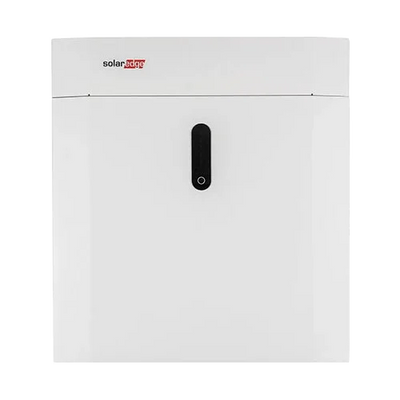
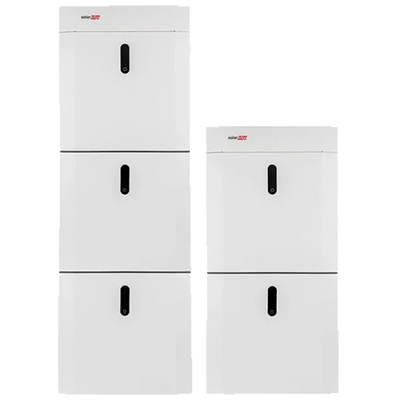
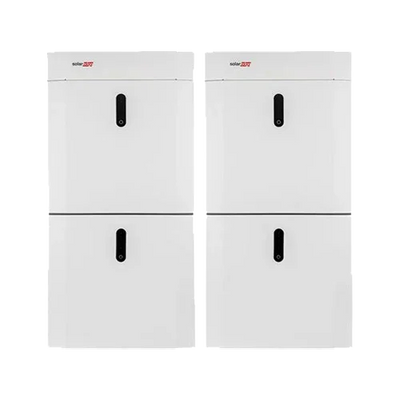
In this collection, we bring together the SolarEdge ecosystem: grid-tied inverters, hybrid inverters with back-up, module-level power optimizers, and lithium batteries (48 V and high voltage), as well as meters, CTs, and accessories. The goal is to deliver maximum performance per panel, advanced electrical safety, and intelligent monitoring of the entire installation.
Advantages and limitations
- Module-level optimization: stable production with partial shading and mixed orientation.
- Scalable architecture: easy expansion with more optimizers, batteries, or storage.
- Real-time monitoring and guided commissioning from the app.
- Enhanced DC safety and emergency stop functions (depending on model and regulations).
- Limitations: requires compatibility between inverter and optimizers; use of approved accessories.
Applications
- Residential self-consumption with single-phase inverters and optimizers.
- Commercial self-consumption with three-phase inverters and long strings.
- Hybrid systems with inverters with charger and lithium batteries for back-up.
- Integration with electric vehicle chargers and home energy management.
How to choose in SolarEdge
- Inverter type: grid (AFCI/SetApp/HD-Wave depending on model) or hybrid with battery input.
- Power: size according to demand and PV array (commercial: three-phase power; residential: single-phase).
- Optimizers: select by module power and current; respect quantity per string and maximum length.
- Battery: choose 48 V or high voltage according to compatible hybrid inverter and required energy (usable kWh).
- Metering: add meter/CT for zero export control, net metering, or load prioritization.
Indicative specifications
| Inverter power range | ≈ 2–90 kW (depending on series and phase) |
| Battery input | Hybrid models with 48 V or HV |
| Optimizers | Compatible by module power/current |
| Communication | Commissioning app and monitoring portal |
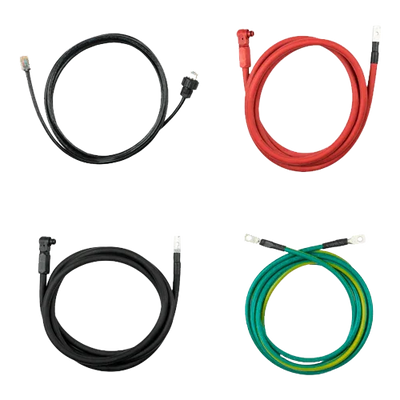
| Accessories | Meters, CTs, sensors, and dedicated cabling |
| Uses | Residential, commercial, and small industries |
Best practices
- Check inverter-optimizer-module compatibility tables and string limits.
- Configure the meter for bidirectional reading and export adjustment if applicable.
- For hybrids, size the battery according to daily cycles and required back-up power.
- Complete the system with appropriate DC protections and AC protections.
Comparisons and related accessories
If you are looking for alternatives by category, visit Solar Optimizers, Single-Phase Inverters, Three-Phase Inverters, and Lithium Batteries. For integration in panel and wiring, see Solar Cable and Electrical Panels.
With the SolarEdge collection, you can design high-performance, safe, and fully monitored solar systems, ready for storage and new loads such as electric vehicles.


