

Huawei
Filter and sort


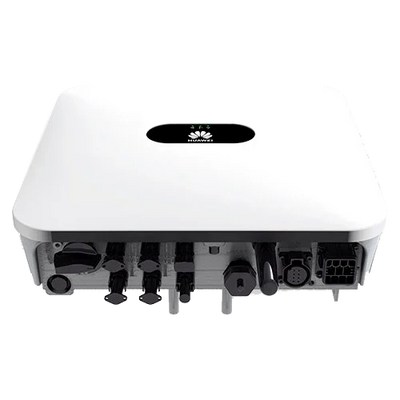


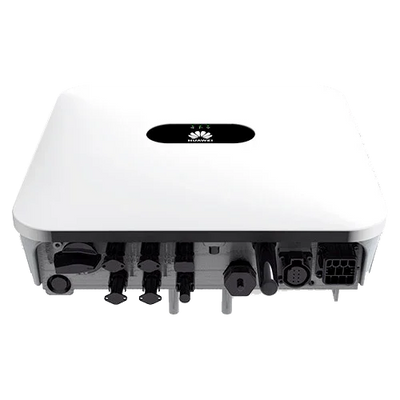

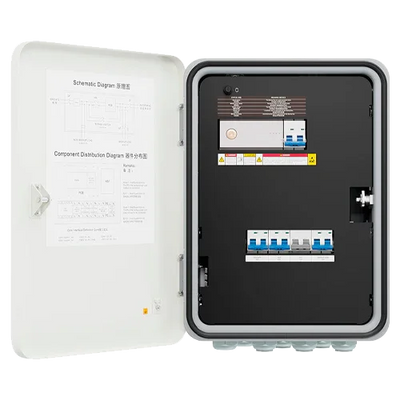
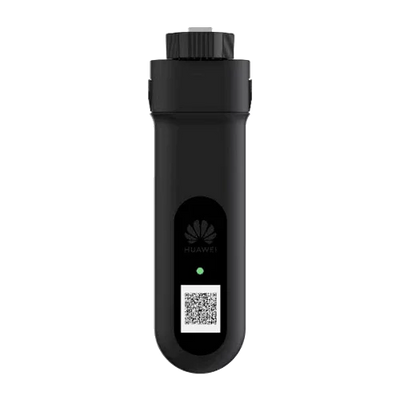










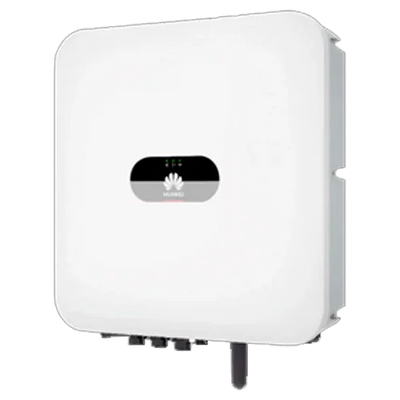


What is the Huawei collection for self-consumption and storage?
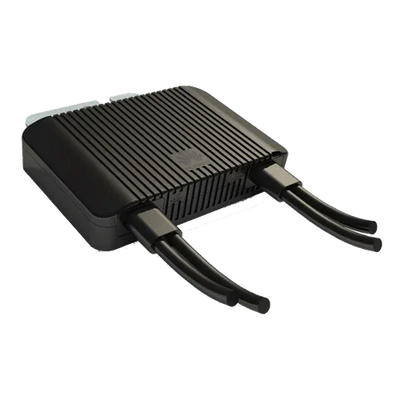
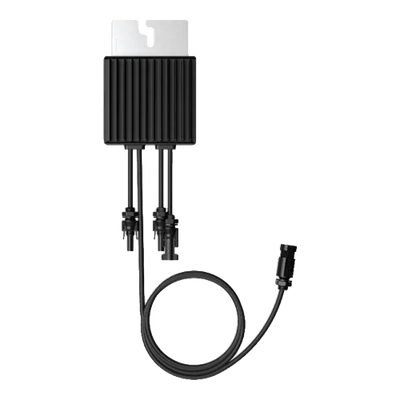
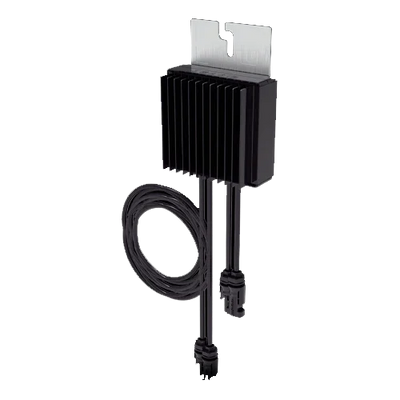
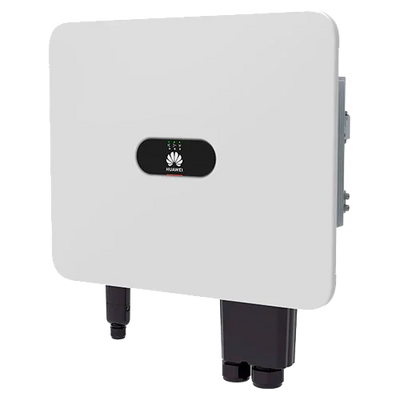
The Huawei collection brings together SUN2000 photovoltaic inverters for grid connection and hybrid models with battery management, the LUNA lithium battery family (high voltage, modular), power optimizers for modules, smart meters for export control, communication dongles, and backup boxes. Its approach combines efficiency, electrical safety, and comprehensive monitoring for residential and commercial installations.
Advantages and limitations
- High efficiency and wide MPPT window for multiple string configurations.
- High Current models with higher input current, ideal for modern high Isc modules.
- Native ecosystem: main meter, optimizers, communications, and cloud platform.
- Backup functions (depending on inverter and backup box) and time-based charge/discharge strategies.
- Limitations: confirm exact battery–inverter compatibility for communication and actual backup power; plan for ventilation and space.
Applications
- Residential self-consumption with single-phase inverters, export control, and lithium batteries for time-based savings.
- SME/commercial with three-phase inverters, multiple MPPT, and centralized monitoring.
- Roofs with shading or mixed orientations using solar optimizers.
- Systems with electric vehicle charging and dynamic energy management.
How to choose your Huawei solution
- Inverter type: grid-tied for maximum simplicity and cost; hybrid if you need a battery now or in the future.
- Single-phase or three-phase: 230 V for homes; 400 V for businesses and balanced phase distribution.
- PV input: size by maximum Voc, Isc per input, and MPPT range. Consider High Current series for high-current modules.
- Battery: modular HV systems (LUNA). Define usable capacity and required charge/discharge power.
- Backup: confirm available power in backup mode and whether you require partial or total backup (specific box).
- Communications: choose LAN/Wi-Fi/4G dongle according to network availability and telemetry needs.
Indicative specifications
| Inverter power | ≈ 2–30 kW (residential to commercial, depending on series) |
| Inputs / MPPT | 1–4 MPPT with 1–2 inputs per tracker |
| PV voltage | Wide range with high maximum Voc (check model) |
| Input current | High Current versions for high Isc modules |
| Storage | Modular LUNA HV batteries with BMS and CAN/RS485 communication |
| Functions | Export limitation, time-of-use, backup (with box), cloud monitoring |
Installation best practices
- Calculate Voc at minimum temperature and maintain margin over inverter and DC box limits.
- Coordinate protections in direct current and alternating current (isolation, SPD, and MCB/RCD).
- Install the main meter for export control and energy balancing.
- Plan location with adequate ventilation, accessibility, and proper cable management.
- Update firmware and verify battery–inverter compatibility before commissioning.
Quick comparisons
- Grid-tied: maximum simplicity and efficiency when a battery is not required.
- Hybrid + LUNA: adds storage and backup; ideal with time-of-use tariffs.
- High Current: higher input for latest-generation TOPCon/heterojunction panels.
Accessories and related collections
- Solar Optimizers
- Lithium Batteries
- Inverter Accessories
- Single-Phase Solar Inverters
- Three-Phase Solar Inverters
Huawei is a professional option for projects seeking efficiency, control, and scalability, with High Current models, LUNA storage, and an accessory ecosystem that enables safe and durable design.
Our Brands


