

Filter and sort

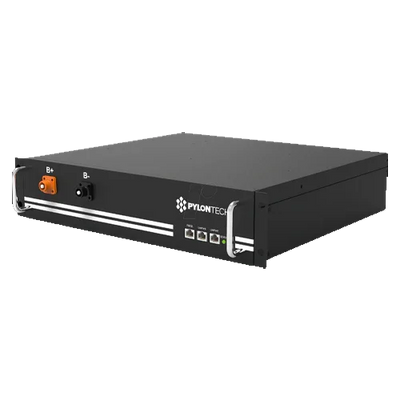
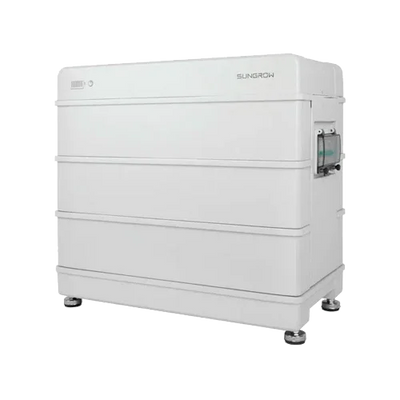


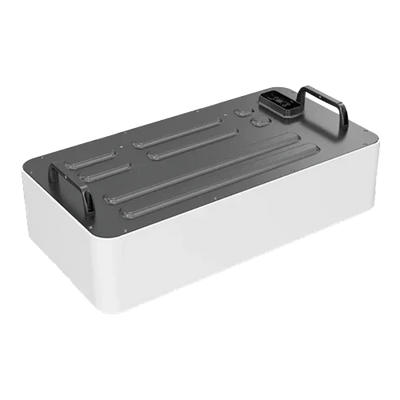



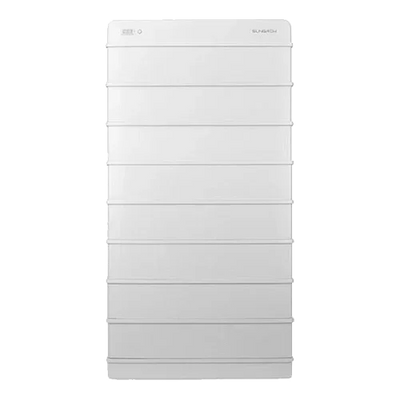


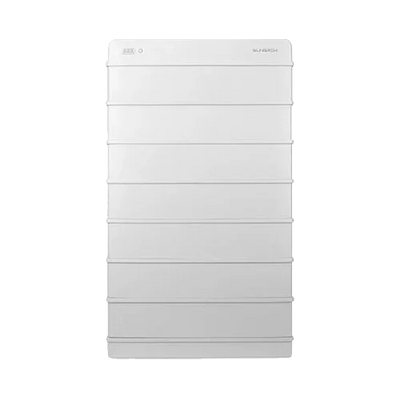

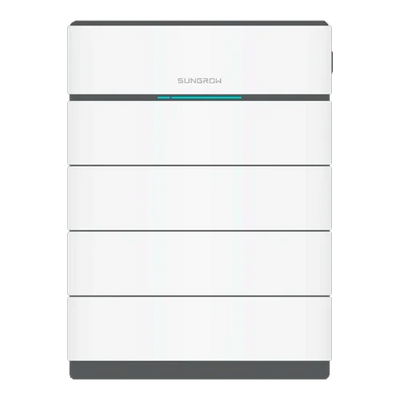
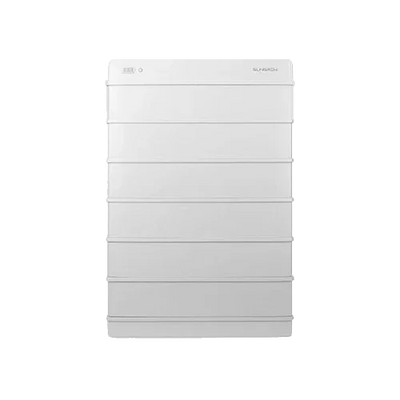

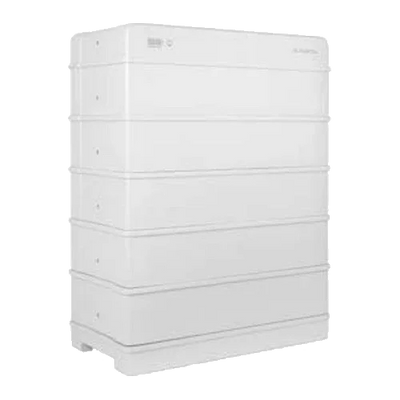


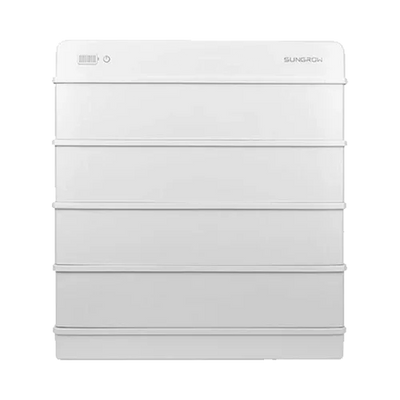


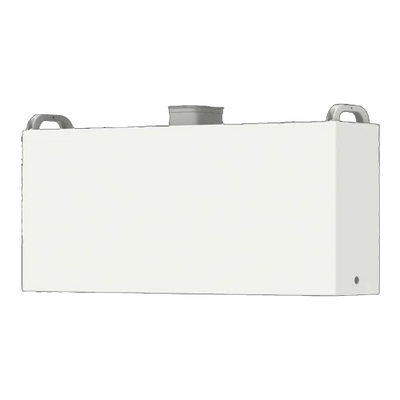

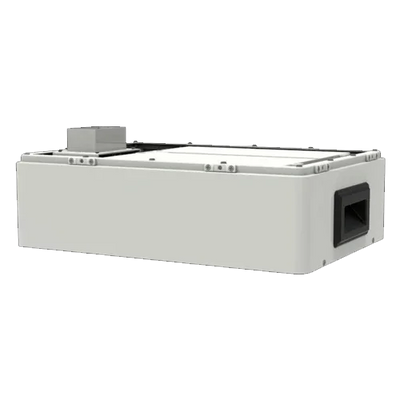

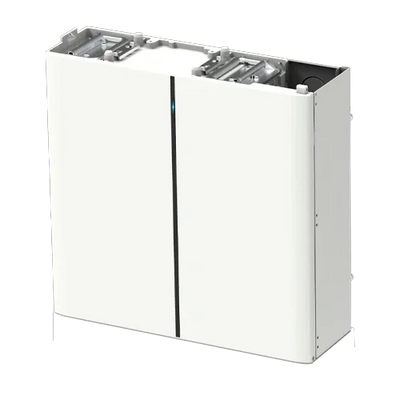


What are high voltage (HV) lithium batteries?
High voltage (HV) lithium batteries are designed to operate with elevated system voltages through strings of modules. By operating at higher voltages, they allow for reduced current for the same power, resulting in lower losses in the cables, higher overall efficiency, and integration that is especially suitable with three-phase inverters and next-generation storage systems.
Main advantages of HV batteries
- Higher system efficiency: less current for the same power → lower losses and better performance.
- Scalability: modular series architecture to expand capacity and voltage according to the project.
- Advanced integration: compatibility with three-phase hybrid inverters and modern residential/industrial ecosystems.
- Intelligent management: BMS and controllers that protect against overcharge, deep discharge, and imbalances between modules.
- “Cleaner” installations: more contained cable sections and less circulating current.
When to choose HV batteries?
HV batteries are the best choice when the project requires more power, greater storage capacity, or three-phase integration. They are common in:
- Homes with high consumption and self-consumption with storage in 3 phases.
- Small businesses and SMEs seeking stability and efficiency.
- New residential installations aimed at full electrification.
- Projects with anticipated growth in energy demand.
General technical specifications
| Architecture | Series modules with BMS/Controller |
| System voltage | HV configurations (depending on brand and model) |
| Life cycles | High number of cycles (model-dependent) |
| Efficiency | Very high, with lower wiring losses |
| Compatibility | HV three-phase hybrid inverters and residential/pro ecosystems |
| Format | Modular/stackable with expansion by strings |
Quick comparison: HV vs 48V (low voltage)
- HV: better for high power and three-phase systems; less current in cables, higher overall efficiency.
- 48V (LV): widely used residential standard; great compatibility with single-phase inverters and many domestic solutions.
If your installation is single-phase and of medium consumption, see 48V Lithium Batteries (Low Voltage). If you need more power or work in three-phase, this collection of HV batteries is the right choice.
Selection and installation tips
- Define whether your inverter is single-phase or three-phase and confirm official compatibility with HV.
- Size the usable capacity (kWh) according to consumption habits and objectives (autonomy, savings, backup).
- Plan for scalability: leave room to add modules in the future.
- Check requirements for location, ventilation, and appropriate electrical protections.
In summary, high voltage lithium batteries offer an efficient, scalable, and future-ready solution for residential and professional projects that require power and compatibility with advanced systems. If you need other voltages within the same lithium family, also visit 12V, 24V, and 48V (LV).


