

Filter and sort










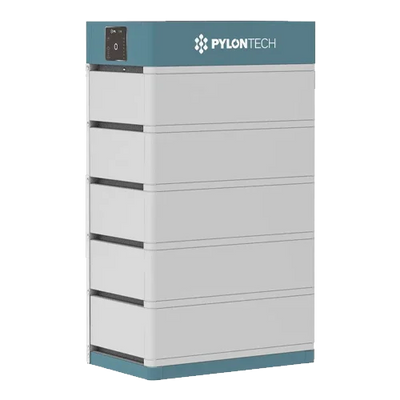
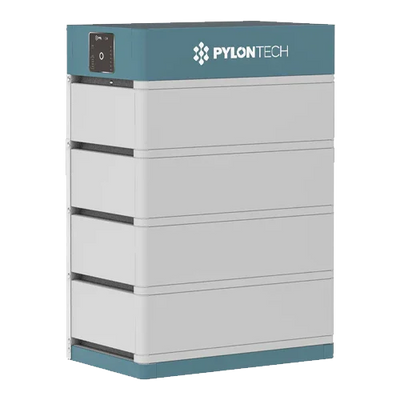

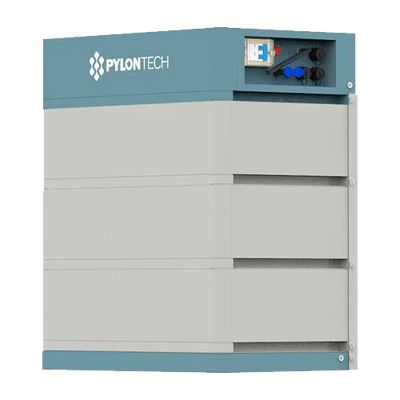
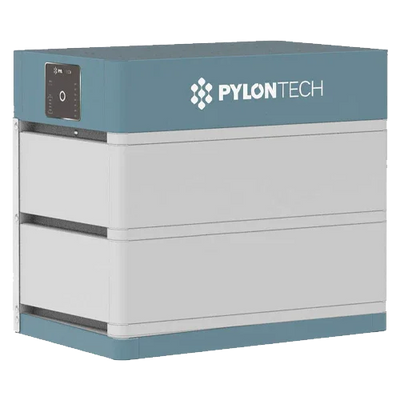

What is Pylontech and what does it offer in energy storage?
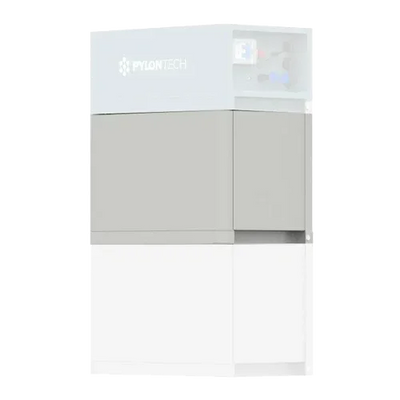
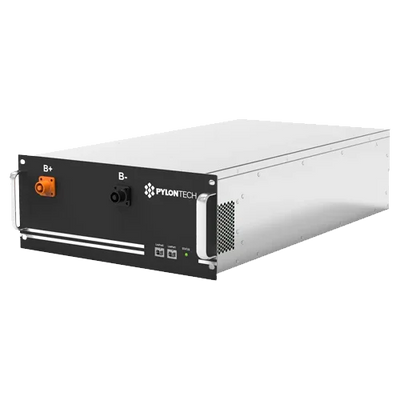
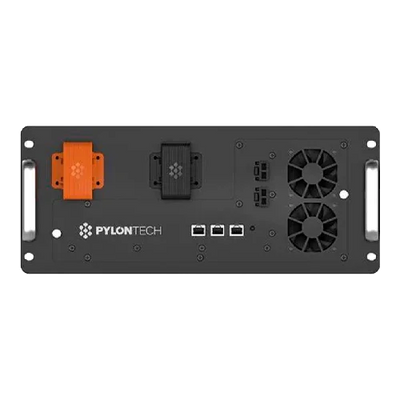
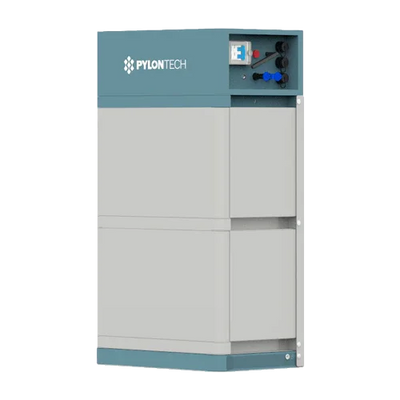
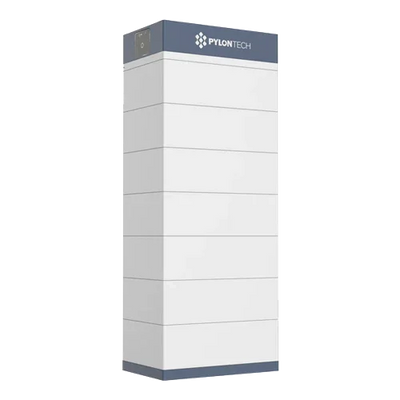
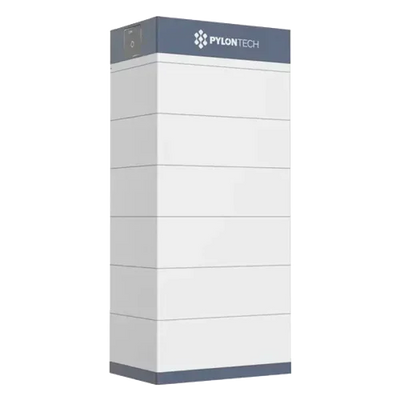
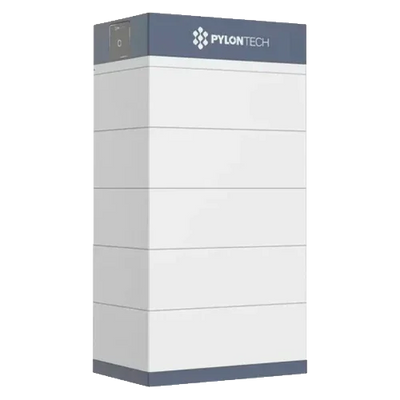
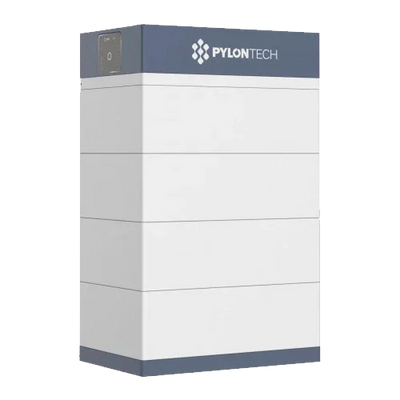
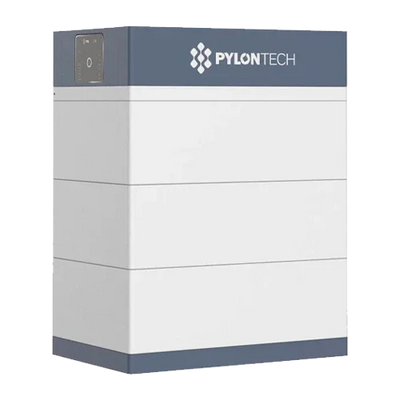
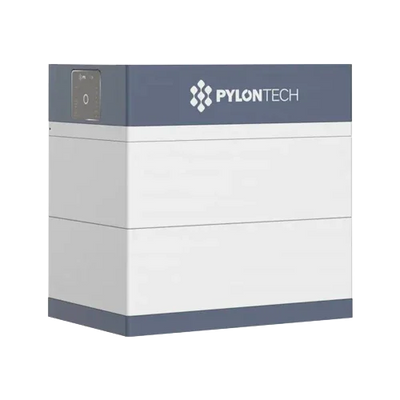
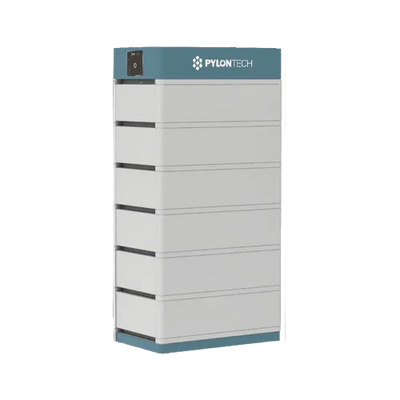
Pylontech is a manufacturer specialized in lithium batteries for self-consumption and backup. Its offering is based on high energy density modules with dedicated BMS, scalable in tower or rack, and available in two architectures: low voltage 48 V (series Force L1/L2/L3, modules FL4874/FL4874M…) and high voltage HV (series Force H1/H2/H3 and PowerCube systems with modules FH10050/H48050…), covering everything from homes to small businesses with high autonomy and peak power needs.
Advantages and limitations
- True modularity: expand capacity by adding modules; quick installation in tower or rack.
- Advanced BMS management with CAN/RS485 communication for reliable integration with hybrid inverters.
- Wide compatibility with leading brands and accessory ecosystem (BMS, brackets, combiner boxes, racks).
- Long service life: high cycle count and stable operation across a wide thermal range.
- Limitations: choose HV or 48 V according to the inverter; respect minimum/maximum number of modules per string and supported firmware versions.
Applications
- Residential self-consumption with single-phase inverters (48 V) and three-phase inverters (48 V or HV depending on compatibility).
- Small businesses and offices with backup demand and management of critical loads.
- Hybrid systems with photovoltaic and grid/generator, focused on reducing energy charges.
How to choose your Pylontech battery
- Architecture: 48 V (Force L1/L2/L3) for LV inverters; HV (Force H1/H2/H3, PowerCube) for high voltage hybrids.
- Usable capacity: calculate kWh according to daily consumption and % DoD; add margin for peaks and growth.
- Compatibility: confirm list of supported inverters and protocol (CAN/RS485).
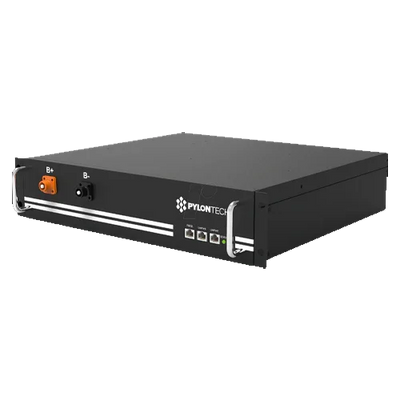
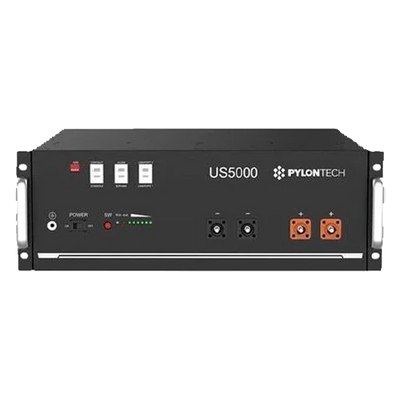
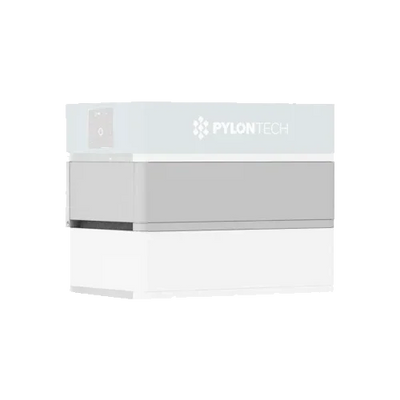
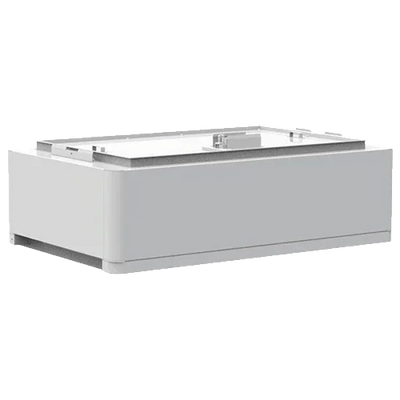
- Topology: stackable tower (aesthetic and compact) or 19” rack (scalability and maintenance).
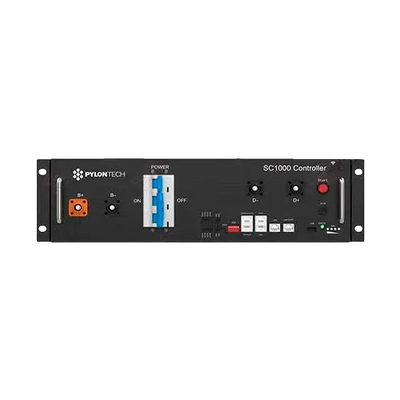
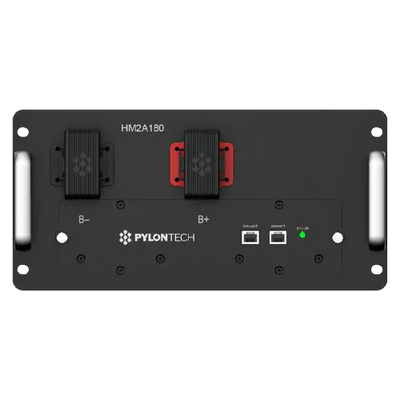
- Accessories: specific BMS (e.g., SC0500-100S for X1, SC1000-100S for H1/H2), brackets, cabling, and HV combiner boxes.
Indicative specifications (depending on range and model)
| System voltage | 48 V (LV) or 100–430 V / up to ~1000 V (HV, depending on BMS and number of modules) |
| Typical modules | LV: 48 V ~3.55 kWh (FL4874/FL4874M). HV: ~5.12 kWh (FH10050/H48050) |
| Minimum configuration | LV: 1–2 modules (depending on inverter); HV: 2–7 modules per string (depending on BMS) |
| Communication | CAN/RS485 with mapping for compatible hybrid inverters |
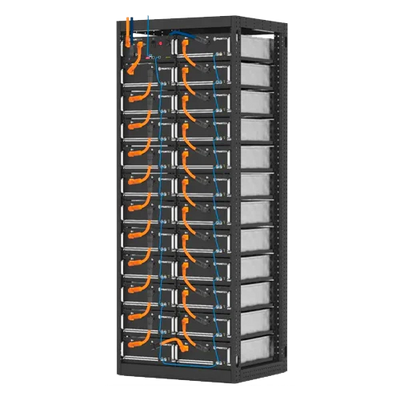
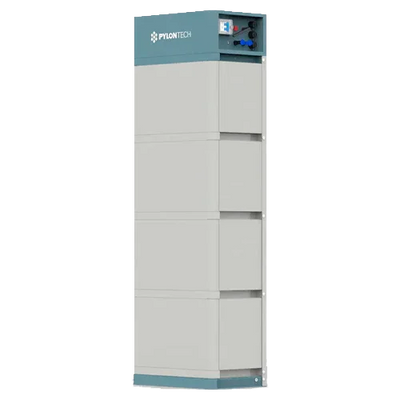
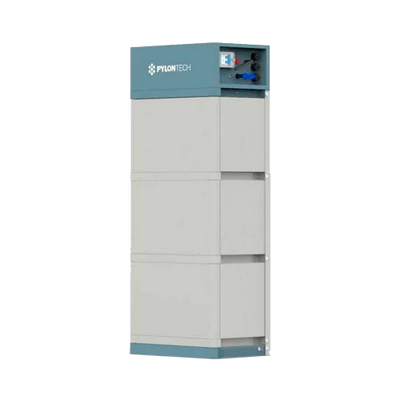
| Mounting | Stackable tower (Force) or 19” rack (PowerCube); dedicated mounting and cabling accessories |
See each product’s datasheet for exact capacity, charge/discharge current, permitted number of modules, and included accessories.
Best practices
- Size according to daily energy and peak power; validate the voltage range of the inverter (HV/LV) before choosing the series.
- Update BMS/inverter firmware when appropriate and use official cabling.
- Respect stacking heights, ventilation, and tightening torque; protect the line with appropriate DC protections.
Quick comparison
- Force L1/L2/L3 (48 V): simple integration with LV hybrids, ideal for single-phase homes.
- Force H1/H2/H3 (HV): HV strings for three-phase or high-performance residential inverters.
- PowerCube (X1/H): 19” rack format, scalable, designed for cabinets and technical rooms.
Related accessories
- Battery Accessories (BMS, racks, brackets, cabling).
- Single-phase Solar Inverters and Three-phase compatible models.
- Alternatives in Dyness (modular LV/HV batteries).
With Pylontech you have a modular, safe, and widely compatible system to maximize energy self-sufficiency and the performance of your solar installation.


